The year began with renewed focus at Linking Circles, guided by two key strategic priorities: bridging the inclusion gap in mainstream schools and expanding access to learning for African students globally. These priorities reflect our commitment to building equitable learning environments and ensuring that every learner has access to quality education.
Launch of Project TECI
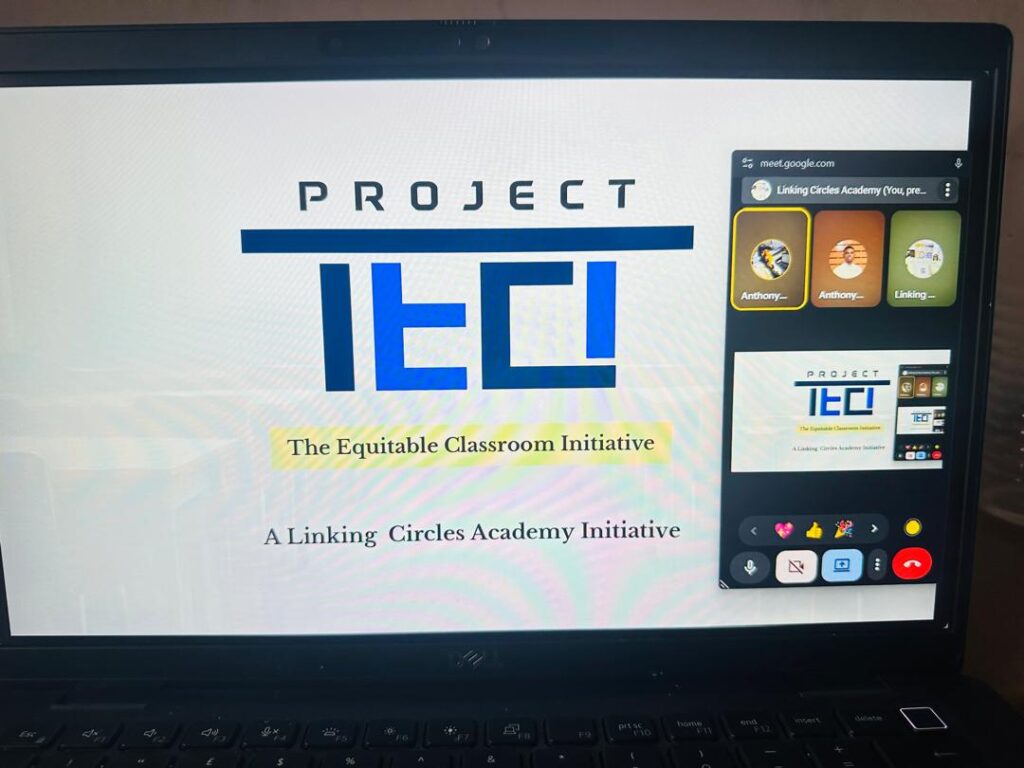
A major milestone this quarter was the official launch of The Equitable Classroom Initiative (Project TECI). This two-in-one program is designed to train Nigerian teachers and school leaders on inclusive education and the creation of equitable classrooms that support learners with diverse educational needs.
Through this initiative, Linking Circles also began the design of a personalized Learning Management System (LMS) that will provide K–12 students with tailored learning support in reading, mathematics, and analytical skills, helping improve academic outcomes while expanding access to learning beyond physical classrooms.
Strategic Partnerships
To strengthen the implementation of Project TECI, Linking Circles secured three strategic partnerships with:
• East Side Institute
• Joint National Association of Persons with Disabilities (JONAPWD)
• Global Play Brigade
These partnerships will support the development and expansion of the TECI curriculum, ensuring it aligns with global best practices in inclusive education while maintaining national relevance.
Representation at MARTECH Africa
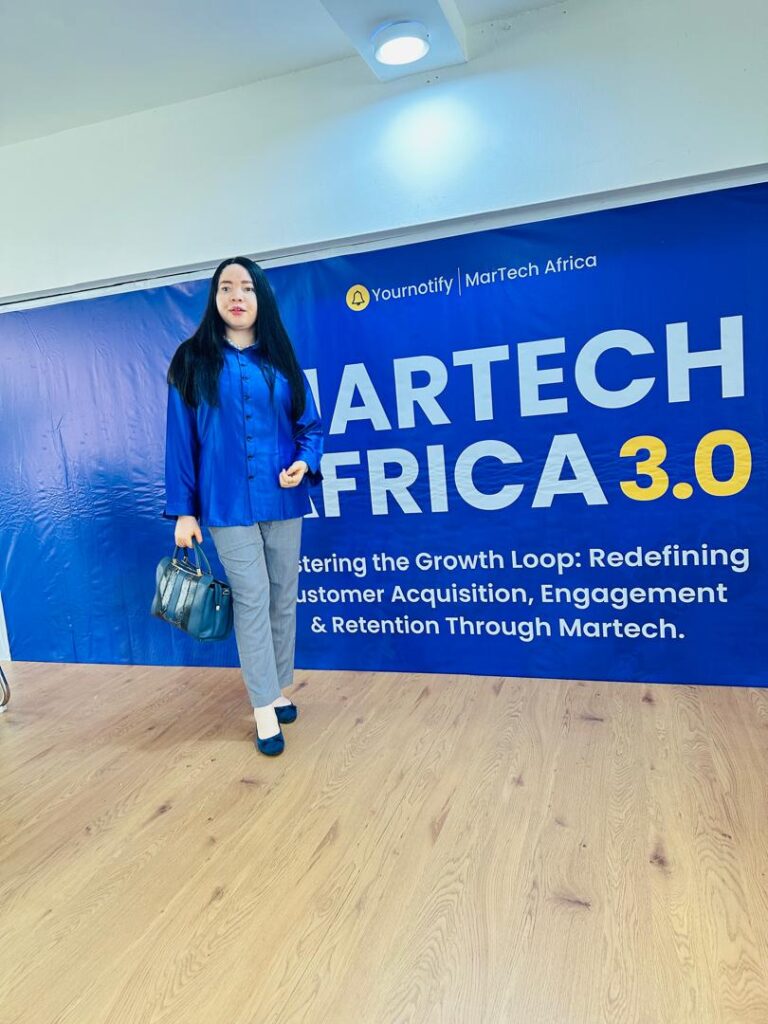
This quarter also created opportunities for broader engagement. Our founder joined other innovators and digital leaders at MARTECH Africa 3.0, where conversations explored the future of technology in branding and marketing.
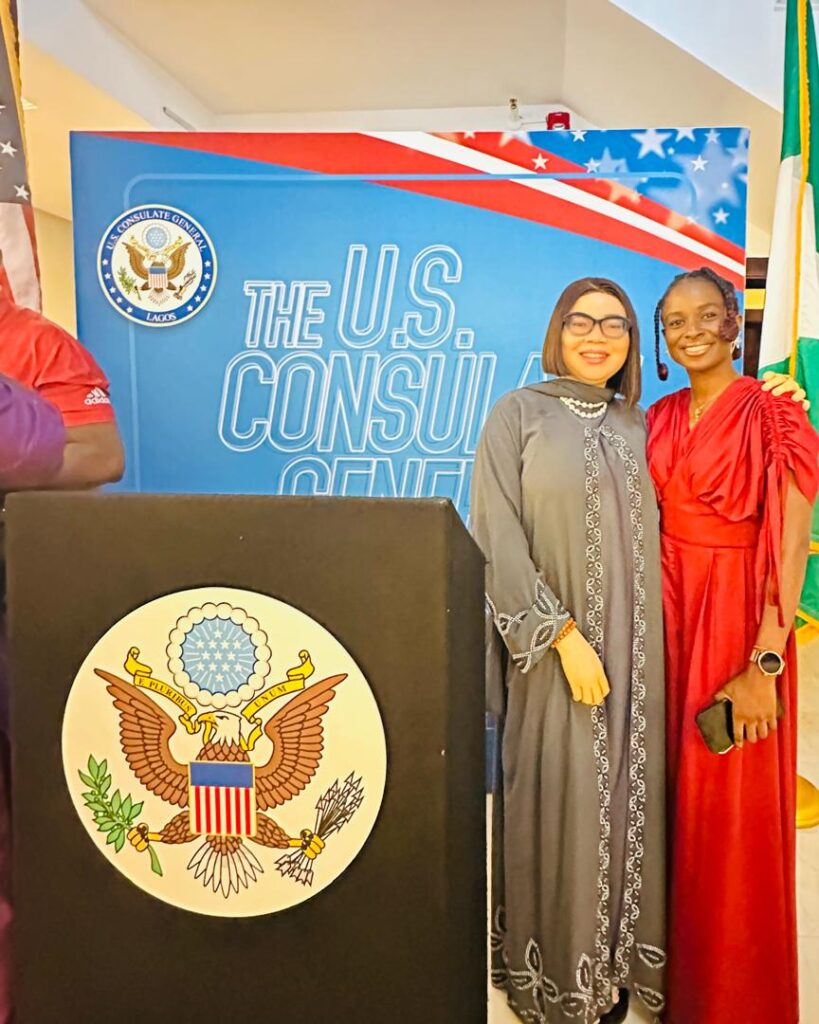
As a Mandela Washington Fellow, she was also invited by the U.S. Consulate General Lagos to attend a reception celebrating “The Future of AI: Innovation, Partnership, and Opportunity,” where new networks and partnerships were formed.
Looking Ahead
As we move forward, Linking Circles remains committed to strengthening inclusive education systems and expanding access to learning for African students. The first quarter has set the stage for deeper collaboration, innovation, and impact in the months ahead.